What are bladder stones?
Bladder stones, or uroliths, are stone-like mineral deposits that
form in the animal's urinary bladder. Bladder stones may occur as a
single deposit, or consist of many smaller pieces. They can be large
and take up most of the bladder, or be fine particles that are
passed when the animal urinates. Bladder stones are more common in
dogs than cats 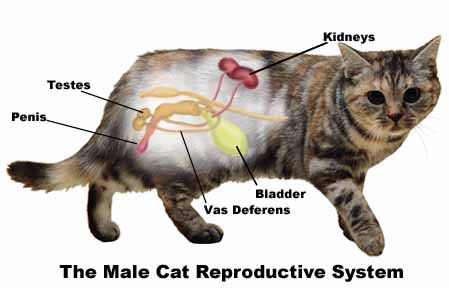
Are bladder stones the same as kidney stones?
Kidney stones are mineral deposits that occur in the kidney. They
are not as common as bladder stones and may not require immediate
attention as bladder stones do. Kidney stones are usually not
related to bladder stones.
Can bladder stones cause a problem for my pet?
Yes, the two most common signs of bladder stones are blood in the
urine, and straining to urinate. The blood is the result of the
stones rubbing against the bladder wall. The straining results from
the irritation to the bladder and urethra, or from small stones or
sand passing out of the bladder when the animal urinates. If the
stones move out of the bladder and get stuck in the urethra an
obstruction occurs. This is a painful, life threatening condition.
If the obstruction is not quickly relieved the bladder can rupture,
and the animal will die. If you suspect a problem you should contact
your veterinarian immediately. Urinary tract obstruction is a common
problem in male cats. The condition is referred to as feline lower
urinary tract disease (FLUTD). It usually results from crystals and
red blood cells forming a plug that lodges in the penis.
Are all bladder stones the same?
No, there are several types of bladder stones. One of the most
common is called struvite. These stones consist of Magnesium,
Ammonia, and Phosphorus. Another is the oxalate stone. The type of
stone that forms is related to the diet, and acidity or pH of the
cat's urine.
What causes bladder stones?
There are several factors that can lead to the formation of a
stone. If the mineral content of the diet is not right for a
particular individual, crystals can form in the urine. These
crystals may irritate the bladder wall and cause some bleeding. The
crystals combined with blood and mucus from the nidus, or core
around which the rest of the stone forms. Bacterial infection may
also play a role. Another factor is the pH, or acidity of the urine.
Bacterial growth is favored if the urine is alkaline rather than
neutral or acidic. These bacteria coupled with crystals that may
form in an alkaline environment can lead to a stone. Struvite stones
may form in this way. Heredity, diet, and general health may all
contribute to the problem.
Does it take long to form a stone?
No, it will depend on how many crystals are present, how bad the
bladder infection is, and the pH of the urine. Stones can form in as
little as a few weeks. More typically though the problem develops
over a few months.
How do I know if my pet has a stone?
The same symptoms that occur with a bladder infection may occur
with bladder stones, specifically, straining to urinate and blood in
the urine. Sometimes, if the stones are large enough your
veterinarian can feel them through the abdominal wall. However,
failure to feel them does not rule them out. Most bladder stones can
be seen on an x-ray, or with ultrasound. Some stones may not show up
on an x-ray. In those cases they can be seen by placing a die that
shows up on x-ray in the bladder. Your veterinarian has the training
and equipment to make the diagnosis.
Can bladder stones be treated?
Yes, there are several methods used depending on the type of
stone, and the severity of the problem they are causing. The
quickest way to resolve the problem is to remove the stones
surgically. The veterinary surgeon opens the abdominal cavity,
localizes the urinary bladder, opens the bladder and removes the
stones. The bladder and urethra are then flushed to remove any sand
present. Another option is to dissolve the stones with a special
diet. The type of diet depends upon the type of stone. This method
avoids surgery but cannot be used for all types of stones. A third
method is to place a urinary catheter in the bladder and hydropulse,
or flush the stones out. This method is only successful if the
stones are very small. Once the stones have been removed, your
veterinarian can have them analyzed and make recommendations to keep
the stones from reoccurring.
How can I prevent my pet from getting bladder
stones?
Prevention is always preferable to curing diseases. Your pet
should always have plenty of clean, fresh water available. Just as
important is the opportunity for your pet to pass urine. The litter
box should be cleaned frequently so that the cat will use it. This
also allows you to be sure the pet has been using the litter box.
Your veterinarian may recommend a urinalysis as part of the annual
physical your pet receives. This is the best way to detect a problem
before it gets out of hand. Your veterinarian can recommend a diet
that will reduce the chance of urinary tract problems for your
pet.
About The Author
Feline Bladder Stones Pet Encyclopedia